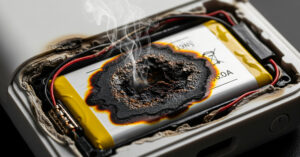

Disposable vapes are emerging as a significant contributor to the problem, as their combination of lithium batteries, plastic components and short product lifespans makes them particularly hazardous when improperly discarded.
According to new figures reported by The Standard, members of the Environment Services Association (ESA) recorded 1,518 fires during the year ending March 2026. Of those incidents, 541 were directly linked to lithium-ion batteries, while a further 216 fires occurred in waste-collection vehicles.
Industry representatives warn that the published figures may significantly underestimate the scale of the problem because many fires destroy evidence that could identify their original cause.
“We know 40 percent of fires at recycling centers are caused by batteries, but we think the actual number is more like 70 percent,” an ESA spokesperson said.
The scale of the threat has been underscored by several major incidents in London. More than 100 firefighters were required to respond to a recycling-site fire in Bermondsey in June, while significant emergency responses were also triggered by fires in Deptford and Ilford. The Ilford incident was attributed to lithium-ion batteries.
Beyond the immediate destruction of recycling infrastructure, waste fires can endanger employees and emergency responders, disrupt local waste services, increase insurance costs and release pollutants into surrounding communities.
Fire experts say the risk increases when batteries are placed in household trash or recycling bins. During collection and sorting, batteries can be crushed, punctured or otherwise damaged, potentially triggering internal short circuits and rapid temperature increases that can result in ignition.
The ESA said a deposit-return program could help keep lithium-ion batteries out of waste-processing facilities and reduce the risk of fires caused by damaged batteries.
As the use of battery-powered consumer products continues to expand, recycling and waste-management organizations are urging consumers, retailers and policymakers to strengthen systems for the safe collection and recycling of spent lithium-ion batteries.
Published September 2026