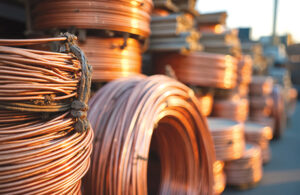

The nonferrous scrap market has long experienced cyclical swings tied to global manufacturing activity and commodity pricing. But today’s shifts are more structural than cyclical. Electrification, artificial intelligence infrastructure, renewable energy expansion and domestic manufacturing investments are converging simultaneously, transforming how copper, aluminum and other nonferrous metals are sourced, valued and recycled.
From electric vehicles (EVs) to grid modernization and hyperscale data centers, demand for conductive, lightweight and high-performance metals is rising rapidly. Industry leaders say recycled metal is no longer viewed simply as a cost-effective substitute for primary production. Instead, it is increasingly seen as a strategic resource connected to energy security, supply chain resilience and decarbonization goals.
“We’re watching two powerful forces move at the same time: electrification and digital infrastructure,” said Todd Thomas, founder and chief executive officer of Woodchuck, a company that focuses on waste-to-energy solutions for contractors, manufacturers and biomass producers. EVs are increasing demand for copper, aluminum and battery materials, while large-scale data centers – especially those designed to support artificial intelligence – require significant quantities of copper for power distribution, switchgear and cooling systems. When those trends converge, Thomas noted, secondary metal supply becomes more than just a lower-cost option. It becomes strategically important.
Tiffiany Moehring, head of communications and marketing at American Battery Technology Company, agrees that the pace of technological change is reshaping global metal demand. The continued expansion of electric vehicles and data centers, she explained, is pushing the industry to develop more advanced recycling technologies capable of recovering valuable nonferrous metals at scale. Data centers in particular are becoming a strategic sector, with investments projected to grow substantially as artificial intelligence and cloud computing expand.
The rapid deployment of lithium-ion batteries is also accelerating demand for metals used in electrification technologies. Moehring noted that global lithium-ion battery deployment has grown dramatically in recent years. While EVs account for most of that demand, lithium-ion batteries are also essential to energy storage systems and digital infrastructure – both of which rely on a steady supply of recyclable metals.
Copper at the Center
Few metals illustrate this transformation more clearly than copper. According to Erin Smith, deputy director of EHS & Recycling at the Copper Development Association, demand projections alone demonstrate the scale of change.
“In the most recent S&P report, demand is set to increase by 50 percent by 2040 – from 28 million metric tons in 2025 to 42 million metric tons in 2040,” Smith said. Growth will be driven by renewable energy installations, electric vehicles, grid expansion and AI-driven data centers, all of which rely heavily on copper’s conductivity.
Meeting that demand will require what Smith describes as an “all-of-the-above” strategy that includes increased domestic mining and refining, continued trade with reliable partners and expanded recycling.
Scrap plays a crucial role in that strategy. Smith emphasized that recycled copper is an essential raw material feedstock supporting electrification infrastructure, including EV production and data center construction. The United States also possesses what she calls the second-largest copper “urban mine” in the world – roughly 85 million metric tons of copper embedded in buildings, wiring, plumbing and consumer products currently in use.
Unlike some metals, copper can be recycled indefinitely without losing its performance characteristics. That makes scrap recovery an important component of meeting future supply needs.
Thomas echoed copper’s importance, particularly as artificial intelligence accelerates data center construction. The scale of new AI facilities, he said, is adding another layer of demand on top of the already intense electrification push.
Scrap’s Strategic Shift
Historically, scrap metal served as a flexible supplement to primary production, rising and falling with commodity cycles. Today, however, many industry leaders say the market is evolving into something more strategically important.
“In the past, scrap was often viewed as a cyclical input,” Thomas said. “Today, it’s increasingly seen as a domestic, faster-to-market source of metal units when primary supply is constrained.”
That shift is also changing how scrap quality is evaluated. According to Thomas, buyers are placing greater emphasis on clean, well-characterized material that can move quickly through recycling systems. High-quality scrap tends to command stronger pricing, while mixed or contaminated material requires more processing and tighter quality controls.
Moehring noted that the growing presence of EV batteries and renewable energy infrastructure is also altering the composition of scrap streams. The expanding adoption of wind turbines, solar panels and battery energy storage systems is increasing demand for nonferrous metals such as copper and aluminum while also creating new opportunities for recovering critical minerals from end-of-life equipment.
Metals such as lithium, cobalt, nickel and manganese can be recycled repeatedly without losing their integrity, Moehring explained. This makes them well suited for supporting a circular supply chain for battery materials.
Smith added that sustainability pressures are reinforcing these changes. Manufacturers and investors increasingly require transparency around recycled content and embodied carbon as part of climate commitments and environmental reporting frameworks. As a result, recycled material is becoming an important factor in procurement decisions.
Aluminum’s Growing Importance
Aluminum markets are experiencing similar shifts, particularly as EV production expands. Lightweight materials remain critical for improving vehicle efficiency and extending battery range, and aluminum content per vehicle continues to rise.
“As demand for aluminum products grows due to EVs, data centers and other products, the need for aluminum scrap becomes increasingly important,” said Matt Meenan, vice president of external affairs at the Aluminum Association.
At the same time, the United States exports large quantities of aluminum scrap each year. According to Meenan, the country exports roughly two million metric tons annually, even as domestic manufacturers face shortages of raw metal.
Recovering and reusing that material domestically could help support billions of dollars in recent U.S. aluminum manufacturing investments while saving significant amounts of energy compared to producing primary aluminum.
For that reason, the Aluminum Association believes maintaining a strong domestic scrap supply is critical. Improved collection systems, better sorting technologies and policies that encourage more scrap to remain within the United States could help strengthen domestic supply chains.
More than half of aluminum produced in the United States already comes from recycled material. As demand for EVs, infrastructure and digital technology grows, the importance of secondary aluminum feedstock is expected to increase.
Renewables and Infrastructure Demand
Renewable energy infrastructure is another major driver of nonferrous metal demand. However, the impact extends far beyond solar panels and wind turbines themselves.
“It’s not just about building solar arrays or wind farms,” Thomas said. Expanding renewable energy capacity also requires upgrades to transmission lines, substations, storage systems and local distribution networks in order to handle new electrical loads.
Those upgrades increase demand for copper and aluminum while also highlighting the environmental benefits of recycled metals. Recycled copper and aluminum generally carry lower embodied carbon footprints than primary production, making scrap an important component of decarbonization strategies.
Smith said sustainability metrics are increasingly shaping procurement decisions. Recycled content disclosures and carbon reporting are becoming routine elements of material selection as companies work to meet internal climate goals and external reporting requirements.
Batteries and Recycling Challenges
While most metals in EVs and data centers enter traditional recycling streams, batteries present unique challenges.
“Distinct recycling considerations associated with EVs and data centers primarily involve battery materials, which are deemed hazardous under current regulations,” Meenan explained. Batteries must be removed and processed through specialized recycling systems, while other metals from these products typically enter conventional recycling channels.
Thomas emphasized that lithium-ion battery packs present operational challenges, including fire risks and specialized storage and transportation requirements. Even before large numbers of EVs reach end-of-life, damaged batteries and manufacturing scrap are already testing recycling logistics systems.
Battery chemistry also varies widely, which complicates recovery processes. “Not all batteries are built the same,” Thomas said, noting that differences in chemistry make standardized recycling more difficult.
Moehring added that the scale of future battery waste underscores the need for advanced recycling infrastructure. Global EV battery demand is projected to grow significantly in the coming years, potentially generating large volumes of end-of-life batteries by 2040.
Processing that material efficiently will require expanded recycling capacity and new technologies capable of recovering valuable materials at high rates.
Meanwhile, scrap availability itself depends on product life cycles. “Metals in EVs and data centers take decades to retire,” Meenan said. As a result, scrap supply may remain limited even as demand continues to grow.
Looking ahead, many industry leaders expect the scrap market to become more specialized and strategically important.
“Over the next decade, I expect recycled metal to be treated as a strategic asset tied to industrial resilience,” Thomas said. If electrification and AI infrastructure continue expanding, copper and aluminum demand will likely remain elevated, with recycled supply helping bridge gaps when primary production cannot keep pace.
by MAURA KELLER
mkeller@americanrecycler.com
Published April 2026