
































Online marketplaces and vape producers will soon be paying their fair share towards the cost of recycling waste electricals, from toasters to vapes and hair curlers, levelling the playing field for UK retailers, Circular Economy Minister, Mary Creagh has announced.
Ensuring large online retailers pay their fair share is fairer for UK businesses that already pay to cover the costs of recycling. It comes as the government delivers on its Plan for Change, and reflects a further step in the government’s mission to boost growth.
The changes will also help fund recycling services and kick-start the country on the road to a circular economy, which is a priority for the Government.
Before now, UK-based firms were shouldering the majority of costs around collection and processing of electronic waste and operating at a disadvantage. With 100,000 tonnes of household electricals binned every year, the changes will for the first time make sure the burden of these costs does not unduly fall on UK based retailers compared to their online rivals.
Waste electricals are difficult to recycle – and represent a huge drain on resources, when they are not collected separately. Valuable metals – such as copper – are chucked away needlessly, while electrical components and chemicals can pose a health and safety risk in the waste industry.
In conjunction with this government’s wider actions to tackle waste and end the throwaway society, this announcement will help ensure that businesses take responsibility for the huge quantities of waste that might otherwise end up being littered or fly-tipped, and support efforts to protect the environment.
“Electrical equipment like vapes are being sold in the UK by producers who are failing to pay their fair share when recycling and reusing of dealing with old or broken items. Today we’re ending this – creating a level playing field for all producers of electronics, to ensure fairness and fund the cost of the treatment of waste electricals. As part of our Plan for Change, we are helping UK businesses compete and grow, and we continue to get more households recycling, cracking down on waste and ending the throwaway society.” said Creagh.
These changes to regulations will mean that online marketplaces, many of which are selling FastTech and other electricals, must take on producer responsibilities and contribute their share of the costs for recycling. Creating a separate category for vapes also means that those who have been profiting from the boom in their sales can be held responsible for providing public take-back, communications and most importantly pay for recycling them.
Material Focus estimates that British households throw away over 100,000 tonnes of smaller household electrical items every year. In addition, an estimated 880 million unwanted items containing valuable commodities such as gold and platinum, are abandoned or ignored in the back of the UK’s cupboards and drawers.
Under the plans, online marketplaces will need to register with the Environment Agency and report data on UK sales of their overseas sellers. This data will be used to calculate the financial contribution the online marketplace will make toward the collection costs and treatment of waste electricals collected by local authorities and returned to retailers. The cost of that annual registration will be subject to a consultation led by the Environment Agency.
A new category of electrical equipment for vapes will also be introduced to ensure that the costs of collecting and treating vapes fall fairly on those who produce them.
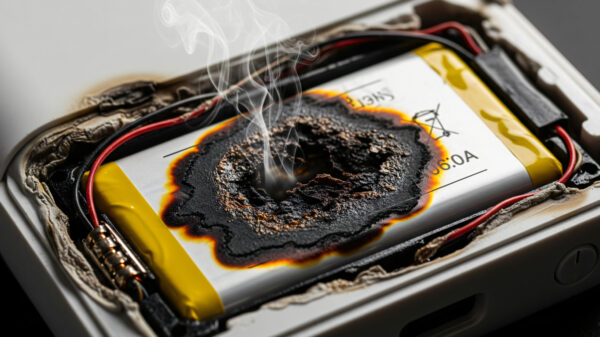
Material Focus found almost 5 million vapes are discarded every week in the UK. Vapes are rarely designed with end of life in mind and are difficult and time consuming to recycle, a cost that is not always being borne by those who produce them.
Acting on these important issues now will help address unfairness and deliver on a commitment to kick-start the push towards a circular economy.
Published September 2025