

















For decades, recycling has been viewed largely as a volume-driven, low-margin business. Traditional municipal recycling, including paper, cardboard, glass and basic plastics have long struggled with thin profits, volatile commodity prices and intense competition. But today, a different model is gaining momentum. Certain specialized niches, including lithium-ion battery recycling, medical waste treatment and advanced textile recycling are emerging as some of the most profitable and strategically important segments of the recycling industry.
According to Irina Tsukerman, president and geopolitical analyst at Scarab Rising, the core reason these niches outperform traditional recycling lies in how they fundamentally change the business model. “The basic reason niche recycling is more profitable is that it stops being a commodity business and starts being a specialized service business,” Tsukerman said. “General recycling is low margin because everyone can do it and buyers only care about price. Niche recycling is different because the waste is harder to handle, legally sensitive or contains valuable materials. That allows recyclers to charge more and face less competition.”
In other words, complexity creates pricing power. Instead of competing on cost per ton, niche recyclers compete on expertise, compliance, safety and technological capability.
Lithium-Ion Batteries
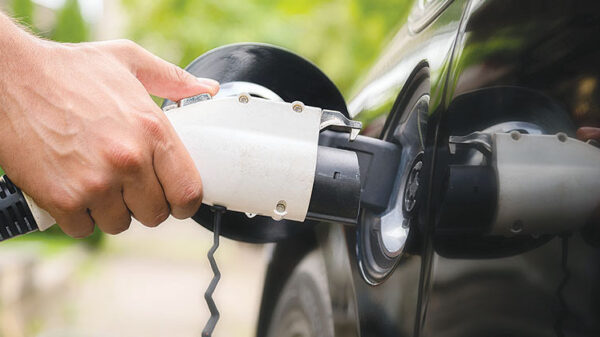
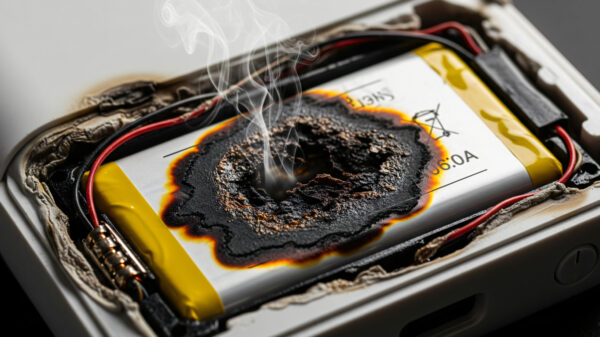
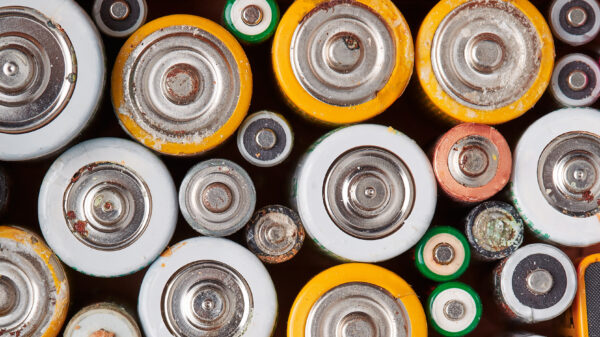
Lithium-ion battery recycling is perhaps the clearest example of how waste has become a valuable asset. As electric vehicles (EVs), consumer electronics and energy storage systems proliferate, the volume of spent batteries is rising rapidly. But unlike many waste streams, these batteries contain metals that are not only valuable, but also strategically important.
“With lithium ion batteries, the waste itself is valuable,” Tsukerman explained. “Batteries contain metals that are expensive, scarce and geopolitically risky to mine. A company that can safely break batteries down and recover those metals is not just disposing of waste. It is supplying raw materials back to manufacturers.”
This creates a dual-revenue model. Customers pay recyclers to take batteries off their hands, while manufacturers pay for the recovered lithium, cobalt, nickel and other critical materials. “That creates two revenue streams at once,” Tsukerman said. “Customers pay to get rid of the batteries and industry pays to buy what comes out of them.”
From an academic perspective, the sector has undergone a major transformation in recent years. Xiaotu Ma, assistant professor at Binghamton University’s School of Systems Science and Industrial Engineering, said lithium-ion recycling has shifted from basic waste management into a strategic industrial function. “Over the past few years, it has clearly shifted from a waste management service into a strategic industry that underpins the critical minerals and battery materials supply chain,” Ma said.
However, this evolution brings new challenges. As EV manufacturers pursue cheaper, longer-lasting and higher-energy batteries, the chemistry of batteries is becoming more diverse. “Battery chemistries are becoming increasingly diverse and dynamic,” Ma noted. “This trend poses significant challenges for recycling. More complex and mixed feedstocks require extensive separation, sorting and purification steps, which substantially increase processing complexity and cost.”
Despite these challenges, the economic potential remains strong. “End-of-life batteries contain value per ton that metals can be an order of magnitude higher than that of primary ores,” Ma said. “That makes them an exceptionally rich secondary resource.”
Beyond material value, recycled battery metals also help manufacturers reduce exposure to volatile global commodity markets. “The battery industry has a strong incentive to secure lower-cost raw materials to reduce manufacturing costs and mitigate commodity price volatility,” Ma added. “Recycled materials can help address that.”
There are also environmental incentives. “Recycling generates environmental benefits, such as reduced emissions and avoided mining impacts, that can be monetized through regulatory credits, compliance mechanisms or carbon offsets,” Ma said. “That further strengthens the business case.”
Still, profitability is not guaranteed. Feedstock access remains one of the biggest risks. “Without reliable feedstock, even large recycling plants cannot run at high utilization or be profitable,” Ma said. Safety is another major concern, as lithium-ion batteries can catch fire or explode if mishandled. “Transporting, storing and processing spent lithium-ion batteries involves fire and thermal-runaway risks, which significantly increase operating, insurance and compliance costs,” he explained.
Medical Waste
While lithium-ion recycling is driven by material value, medical waste recycling is often driven by legal obligation and risk management. Hospitals, clinics and laboratories operate under strict regulatory frameworks governing how infectious, hazardous and bio-sensitive waste must be handled.
“Medical waste recycling is profitable for a different reason,” Tsukerman said. “It is about obligation and risk. Hospitals and labs are legally required to dispose of waste in very specific ways. Doing it wrong risks fines, lawsuits and reputational damage.”
Because the consequences of failure are severe, price becomes secondary. “Customers care more about reliability, compliance and documentation than about shaving a few percent points off the price,” Tsukerman explained. “Once a recycler is approved and trusted, contracts tend to be long term and stable. That stability is where the profit comes from.”
In this segment of the recycling industry, trust and regulatory compliance are key. New entrants face high barriers in the form of licensing, certifications, insurance and audit requirements. For established recyclers, those same barriers protect margins and ensure predictable revenue streams.
Specialized Textiles
Textile recycling is another niche where specialization creates economic opportunity for today’s recycling companies. Traditional textile waste is difficult to process, especially as fabrics increasingly use blends of synthetic and natural fibers, chemical treatments and coatings.
“Specialized textile recycling works because brands are under pressure from regulators and consumers to prove sustainability,” Tsukerman said. “Not all textiles can be recycled the same way, especially blended or treated fabrics.”
For brands, recycling is not just about waste reduction. Rather it is about regulatory compliance, carbon reporting and public image. “A recycler that can handle a specific textile problem becomes a solution provider, not a waste hauler,” Tsukerman explained. “Brands pay a premium because it helps them meet environmental targets, avoid landfill penalties and protect their public image.”
The Future of Niche Recycling
For recycling companies willing to invest in expertise, technology and compliance, niche recycling is no longer just an environmental service. It is a high-value industrial strategy.
Looking ahead, experts agree that niche recycling will continue to grow, but success will depend on more than just technical capability. Yuxin Wang, assistant professor at Binghamton University, said the next phase will require recyclers to prove their environmental credibility. “The future of lithium-ion battery recycling is a strategic necessity for ensuring long-term resource recovery,” Wang said. “The most successful recyclers will be those who can demonstrate a ‘net-positive’ impact where the environmental cost of the recycling process is significantly lower than the footprint of primary mining.”
Ma agrees, adding that integration and second-life applications will become increasingly important. “Recycling will move toward more integrated systems that expand value recovery, including second-life pathways, while placing even greater emphasis on safety and environmental performance,” he said.
Ultimately, the lesson across all these niches is the same. “Complexity creates pricing power,” Tsukerman said. “The harder the waste is to handle, the more rules apply and the higher the consequences of failure, the more customers are willing to pay. Profitable recycling is no longer about moving the most rubbish. It is about owning the hardest, riskiest and most regulated problems.”
by MAURA KELLER
mkeller@americanrecycler.com
Published March 2026