















































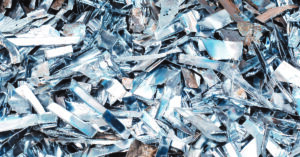
 The European Union is considering a proposal to impose a 15 percent export tax on aluminum scrap, a move that could reshape global recycling markets and influence aluminum prices well beyond Europe.
European aluminum producers have backed the proposal, arguing that growing shipments of scrap to Asia and the United States are limiting the supply of recyclable material available to domestic secondary smelters.
Aluminum scrap exports reached record levels in 2025, intensifying concerns over feedstock shortages for Europe’s recycling industry.
Supporters of the tax say the measure would help retain valuable recyclable materials within the EU, strengthen domestic manufacturing and support the broader circular economy objectives. By encouraging more scrap to remain in Europe, producers believe the policy would improve the long-term competitiveness of the region’s aluminum industry.
The proposal, however, has drawn criticism from scrap recyclers and exporters, who warn that restrictions on trade could reduce market competitiveness and disrupt established global recycling supply chains. Industry groups argue that limiting exports may distort prices, reduce sales opportunities for recyclers, and interfere with the efficient movement of recyclable materials to markets where demand is strongest.
If approved, the export tax could have implications beyond Europe. Market analysts say the measure could tighten global supplies of aluminum scrap, influence international pricing, and affect imports into the United States, where manufacturers rely on recycled aluminum as an important raw material.
The proposal is expected to face further debate as policymakers weigh the competing priorities of supporting domestic industry while maintaining open and competitive global markets for recyclable materials.
Published August 2026