
























































 The Recycled Materials Association (ReMA) has released a new Economic Impact Study, underscoring the essential role recycled materials play in powering American manufacturing, strengthening supply chains and advancing environmental sustainability.
The study, conducted independently by John Dunham & Associates, measures the industry’s full footprint across the U.S. economy – from direct operations at recycling businesses to the supplier industries they depend on and the communities where their workers live and spend. The report finds:
- Recycling businesses directly employ approximately 175,000 Americans in good-paying jobs averaging more than $100,000 in wages and benefits.
- When supplier industries and community spending are included, the industry supports more than 603,000 U.S. jobs in total.
- The industry generates $184 billion in total annual economic activity across the U.S. economy.
- The industry contributes $21 billion in federal, state, and local tax revenue – helping fund schools, roads, and communities in every state.
Far from being a niche environmental activity, recycling is a core industrial input. ReMA’s more than 1,700 member companies provide high-quality recycled materials manufacturers rely on to produce everything from infrastructure and vehicles to consumer goods and advanced energy technologies.
“Recycling is where environmental responsibility and economic strength come together,” said ReMA president Robin Wiener. “Our industry is the backbone of American manufacturing. It’s hard to get through Earth Day – or any day – without using a product made with recycled material.”
Recycled materials are foundational across key U.S. manufacturing sectors:
- Nearly 70 percent of U.S. steel is produced in electric arc furnaces, which run primarily on recycled steel.
- More than 75 percent of U.S. paper mills use recycled paper to make new products like cardboard boxes, office paper, and tissue.
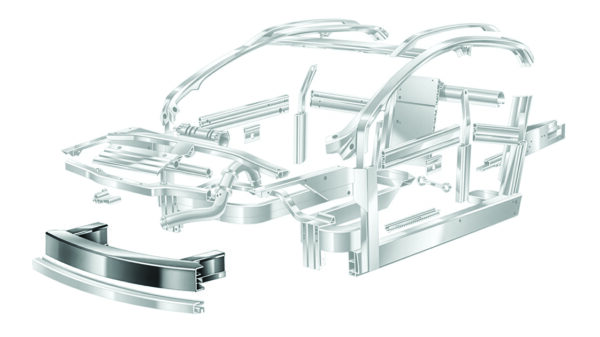
- More than 80 percent of U.S. aluminum production comes from recycled sources, including the cans, car parts, and building materials Americans use every day.
- More than 90 percent of the structural steel in American bridges, hospitals, and high-rise buildings is made from recycled steel.
The environmental benefits are equally significant. Compared to producing from natural resources, manufacturing with recycled materials can reduce energy consumption by up to 90 percent and greenhouse gas emissions by up to 96 percent, helping manufacturers lower costs while shrinking their environmental footprint.
The industry continues to grow through innovation, with companies investing in advanced sorting technologies and artificial intelligence to recover more material, improve quality, and meet rising demand from manufacturers. The structural shifts defining the next decade – electrification, data center growth, grid modernization and reshoring – all run through recycled materials, positioning the industry at the center of America’s next era of manufacturing.
Published May 2026