




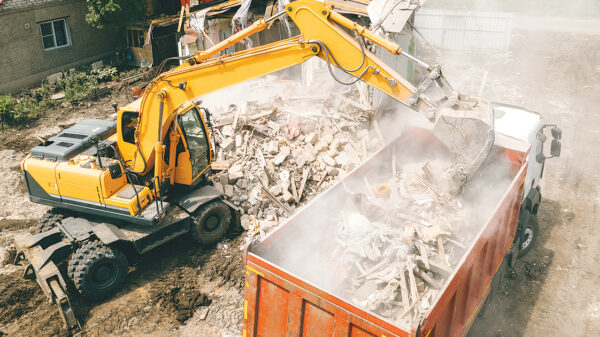






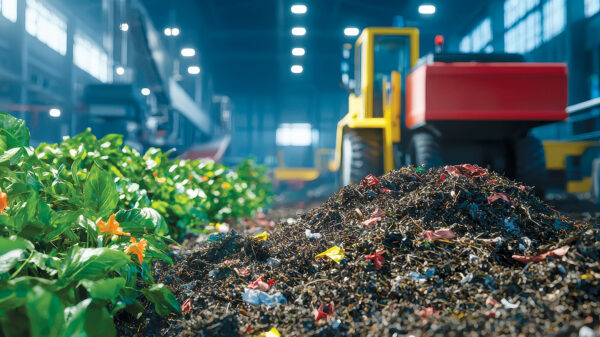


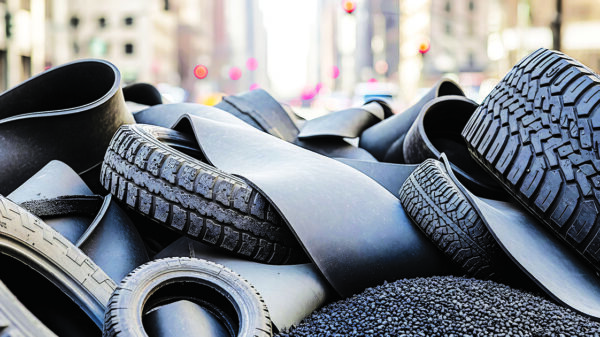



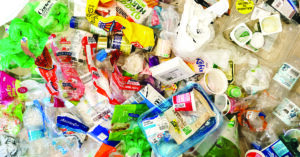
Extended producer responsibility (EPR) could influence how much plastic enters the recycling stream, the types of packaging being produced, investment in collection and processing infrastructure, and the demand for recycled resin.
For years, extended producer responsibility (EPR) has been discussed as a potential way to address some of the economic challenges facing recycling. Now, the concept is moving from policy discussions into actual recycling programs, creating new funding streams while also introducing new requirements for producers, retailers and others throughout the supply chain. As seven states put producer responsibility programs into various stages of implementation, plastics recyclers are watching to see whether new funding will strengthen collection, processing and end markets.
The initial movement
Seven states – Maine, Oregon, Colorado, California, Minnesota, Maryland and Washington – have enacted packaging-specific EPR laws. The programs are at different stages of implementation and vary in their covered materials, reporting requirements, fee structures and performance standards. With no federal packaging EPR system in place, companies selling products across the country are instead facing a growing patchwork of state programs.
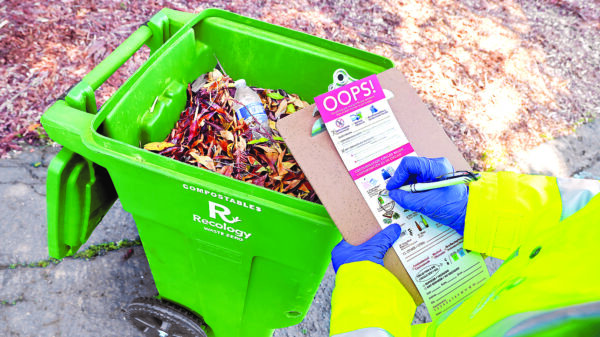
For plastics recyclers, the significance goes beyond regulatory compliance. EPR could influence how much plastic enters the recycling stream, the types of packaging being produced, investment in collection and processing infrastructure, and the demand for recycled resin.
“I hear EPR come up more and more in industry conversations,” said Sandra Leyva Martinez, head of sustainability, CHEP Americas, in a recent press release. “Most recently in a meeting with major U.S. retail suppliers, the topic surfaced and focused on the complexity of tracking requirements across different jurisdictions, whether across individual U.S. state lines or into Canada or Mexico.”
Martinez said each jurisdiction has its own packaging scope, reporting granularity, fee schedules and deadlines, with some large organizations navigating more than a dozen requirements at a time.
“It was clear there’s a growing need for solutions that help simplify compliance,” Martinez said. “This is an area that CHEP supports through the scale of its pooled network and existing data capabilities, helping customers and retail partners report more confidently around regulations and broader sustainability goals.”
Shifting the cost of recycling
The fundamental change created by EPR is financial. Traditional recycling systems have often relied on municipal funding, consumer participation and the sale of recovered commodities. EPR shifts more responsibility for managing packaging after use to the companies that put that packaging into the marketplace.
The objective is to have producers help finance collection, sorting and recycling while creating incentives to improve packaging design and recyclability.
That distinction is important for plastics because the economics of recovering different plastic formats can vary considerably. Some materials have established collection systems and reliable end markets. Others can be difficult to identify, sort, process or sell.
EPR programs attempt to address those differences by connecting producer fees to the characteristics and impacts of the packaging being placed into the marketplace.
The result could be a shift in the economics of plastic packaging before that material ever reaches a recycling facility.
Oregon provides an early look
Oregon provides the first significant example of an operating packaging EPR program. Its Plastic Pollution and Recycling Modernization Act took effect in July 2025 and is designed to shift some recycling-system costs from local governments to producers and distributors.
During its first year, the program generated funding for recycling infrastructure and curbside collection improvements. More than $30 million has been directed toward recycling infrastructure, along with funding for more than 70,000 curbside recycling carts.
Oregon also provides an early indication of the legal environment surrounding EPR. A federal district court upheld the state’s EPR law in August 2026 following a challenge by a packaging industry trade group. Other state programs have faced or could face legal challenges as implementation progresses.
For plastics recyclers, however, the most closely watched program may be California’s.
California’s large scale experiment
California’s SB 54, the Plastic Pollution Prevention and Packaging Producer Responsibility Act, establishes an EPR system covering packaging and single-use plastic food service ware. The law requires producers to finance implementation and establishes targets for reducing, recycling and improving the recyclability of covered materials.
By 2032, California requires a 25 percent reduction in single-use plastic packaging, a 65 percent recycling rate for single-use plastic packaging and food service ware, and 100 percent of covered packaging and plastic food service ware to be recyclable or compostable.
The recycling target phases in over several years, reaching 30 percent in 2028, 40 percent in 2030 and 65 percent in 2032.
Those targets will require more than changes in packaging design. They will require collection systems, sorting capacity, processing infrastructure and viable end markets capable of handling significantly more material.
California’s permanent SB 54 regulations became effective May 1, 2026. Circular Action Alliance (CAA), the approved Producer Responsibility Organization, submitted its initial program plan in June and is preparing a final plan for submission to CalRecycle.
That makes the final fee and funding structure particularly important to recyclers.
CAA’s draft plan projects $9.3 billion to $17.2 billion in total program costs during the first five years, with costs funded through producer fees. Proposed spending includes collection, processing, material specific investments, reuse and refill infrastructure and California’s Plastic Pollution Mitigation Fund.
The amount ultimately paid by individual producers will depend on the final program and the characteristics of their packaging.
Plastic’s economics are different
One of the most consequential aspects of EPR for plastics recyclers is the movement toward material-specific fees.
California’s system establishes base fees by covered material category, with additional fees and potential adjustments connected to packaging characteristics. The approach recognizes that different materials have different environmental impacts and different costs associated with collection and recovery.
For a plastics recycler, those distinctions matter.
A PET beverage container with established collection systems and strong end markets presents a different recycling proposition than a multilayer flexible package that may be difficult to sort or process economically. Under an EPR system, those differences can potentially be reflected in what producers pay.
The concept is often referred to as eco-modulation. Rather than charging every producer the same amount regardless of packaging characteristics, fees can be adjusted to encourage more desirable packaging attributes.
That could influence packaging decisions before materials reach the recycling stream. If packaging that is easier and less expensive to recycle carries a more favorable economic profile, producers have an incentive to consider recyclability when designing and selecting packaging.
California’s program also incorporates source reduction and reuse goals. Recycling is, therefore, only one part of the state’s strategy.
For recyclers, that creates a complicated dynamic. More recyclable packaging could improve the quality of available feedstock, while source reduction or elimination of certain packaging formats could reduce the overall volume of material entering recycling facilities.
Data becomes part of recycling
The financial side of EPR is only one piece of the equation. Producers must also be able to determine what packaging they are putting into the marketplace, where it is being sold and how it is classified under different state programs.
That is increasing the importance of supply chain visibility and data collection.
“Retailers continue to place significant value on supply chain transparency, especially as they face growing expectations to demonstrate progress against their sustainability commitments,” said Heather Stuart, vice president, retail supply chain solutions, CHEP U.S., in a recent press release. “As EPR evolves, the conversation is shifting from setting goals to understanding how packaging is used, recovered and reused through the end-to-end supply chain.”
Stuart said that visibility can help organizations make better decisions, strengthen collaboration and support both compliance and waste reduction.
That visibility could eventually become important for recyclers as well. More detailed information about the materials entering the recycling system could help producers and other stakeholders understand where packaging is being collected, how it is being processed and whether it ultimately reaches a viable end market.
As EPR programs mature, the recycling industry may therefore see greater emphasis on material tracking and reporting alongside the physical movement of commodities.
Seven states with different approaches
California is not operating in isolation. Oregon and Colorado have moved into implementation, while Maine, Minnesota, Maryland and Washington are developing programs with their own requirements and timelines.
Colorado’s program, established under HB 22-1355, requires producers to finance aspects of the state’s recycling system. Maine’s law similarly establishes producer responsibility while incorporating considerations related to the cost and environmental impacts of managing packaging.
Minnesota, Maryland and Washington represent a newer wave of state programs. Their longer implementation schedules give regulators, producers and recycling stakeholders additional time to establish infrastructure, reporting systems and funding mechanisms.
The common thread is producer financing, but the details vary substantially. Definitions of covered materials, exemptions, reporting requirements, fee structures, performance requirements and implementation schedules are not uniform.
For companies selling packaging nationally, that creates a significant compliance challenge.
For recyclers, it also means that there is not one national model for how EPR money will flow through the recycling system.
Looking beyond the initial cost
EPR could also change how manufacturers evaluate packaging and supply chain decisions.
“EPR is accelerating a broader shift toward measuring supply chain performance more holistically,” said Cheryl Henry, vice president, commercial, CHEP U.S., also in the press release. “What this means for manufacturers is continuing to look beyond upfront costs to evaluate solutions based on their long term operational, environmental and financial impact.”
At the scale many manufacturers operate, Henry said even small improvements can translate into meaningful savings when applied across millions of units moving through the supply chain.
For packaging manufacturers and brand owners, that means the cost calculation could increasingly include not only the price of producing and transporting packaging, but also its recovery characteristics and potential EPR obligations.
That could create opportunities for recyclers if it encourages greater use of materials with established recycling markets and increases demand for recycled content.
Where the money goes
The potential benefit for plastics recycling is straightforward: EPR can put new money into parts of the recycling system that have historically struggled to secure adequate investment.
Collection systems need equipment and labor. Materials recovery facilities need sorting equipment and upgrades. Plastics processors need capacity and technology. Recycled resin needs reliable end markets.
Producer fees can potentially support each of those areas. For example, California’s scale could make the effects considerably larger than those of earlier programs. Its program plan contemplates billions of dollars in expenditures over five years, including funding for collection, processing and material-specific investments.
But funding alone will not guarantee higher recycling rates.
The effectiveness of EPR will depend on how money is allocated, whether infrastructure investments address actual system bottlenecks, whether recovered materials have viable markets and whether producers and recycling companies can work within increasingly detailed data and reporting requirements.
A changing plastics stream
The expansion of EPR is likely to have effects throughout the plastics recycling chain.
Recyclers operating in multiple states will have to contend with different program structures and potentially different material requirements. Producers may respond by changing packaging designs, material choices or product formats to reduce their obligations.
Those changes could affect recyclers’ feedstock. Some difficult-to-recycle materials could decline, while other materials become more prevalent as producers respond to economic incentives and consumer expectations.
At the same time, producer-funded investment could strengthen collection and processing infrastructure, potentially increasing the volume and quality of plastic available to recyclers.
The question is how those forces will balance.
Oregon is providing the first operating experience. California is building one of the nation’s largest packaging EPR systems, while Colorado and the other states move through their own implementation processes.
For recyclers, the emergence of EPR represents a significant change in who pays for recycling. But its longer-term significance may extend further – influencing what packaging is manufactured, how it moves through the supply chain, what reaches recycling facilities and whether recovered plastic can be converted into a commodity with a reliable end market.
by MAURA KELLER
[email protected]
Published November 2026