





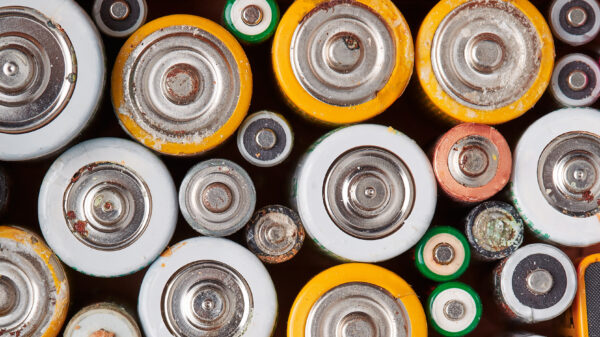




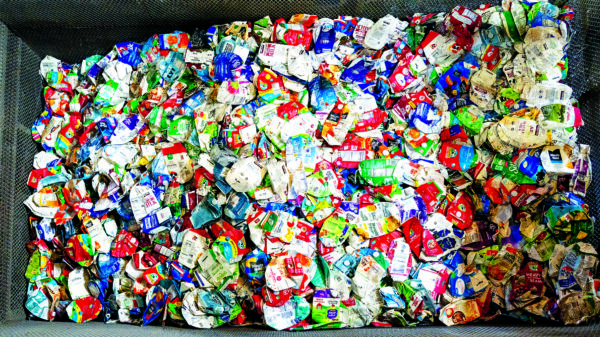



For the first time, more than 3 billion PET bottles and aluminum cans were returned through Swedenʼs deposit return system (DRS) in 2025, 130 million more than the previous year. On average, every person in Sweden returned 283 containers, a 4 percent increase from 2024. Swedenʼs return rate also increased to 88.4 percent, approaching the national target of 90 percent, according to new data from Returpack/Pantamera, the operator of the countryʼs DRS.
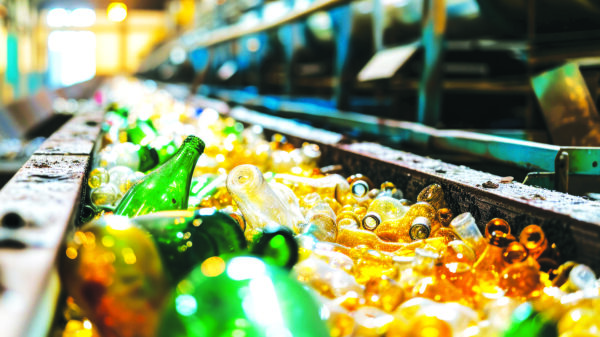
In 2025, Swedenʼs deposit system delivered 27,826 metric tons of aluminum and 24,835 metric tons of PET to material buyers. Unlike general packaging recycling, where materials are often downcycled into lower-quality products, the DRS keeps bottles and cans in a dedicated, high-quality stream.
When PET bottles and aluminum cans are returned through the deposit system instead of general packaging recycling, their carbon footprint is cut in half. The material stays in closed recycling loops, preserving its quality so it can become new packaging again and again. This reduces the need for virgin raw materials, said Sara Bergendorff, Head of Sustainability and Quality at Returpack/Pantamera.
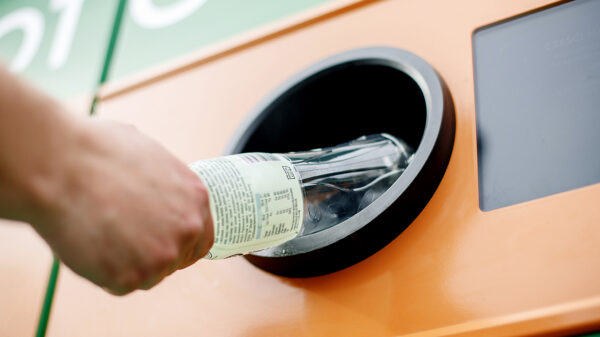
One of the defining features of Swedenʼs DRS is how seamlessly it fits into everyday life. For most people, returning containers happens during a regular trip to the grocery store, making accessibility a cornerstone of the systemʼs high return rates.
This yearʼs data also highlights the growing role of high-capacity reverse vending machines, where entire bags of containers can be emptied at once. These machines represent 14 percent of all reverse vending machines and account for 45 percent of total volume. In areas where retailers install them, return volumes consistently increase.
Launched in 1984, as the worldʼs first deposit return system, Sweden has to date collected more than 55 billion bottles and cans – the result of four decades of collaboration between beverage producers, retailers and consumers. As deposit return systems are introduced and expanded across Europe, Swedenʼs experience offers a long-term perspective on which key factors have been crucial to achieving high collection rates, circular material flows and long-term sustainability.
Published May 2026