
















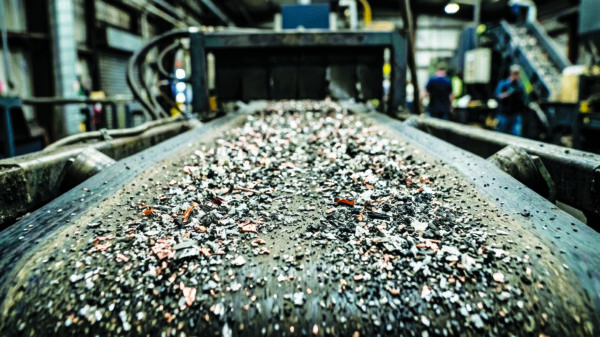



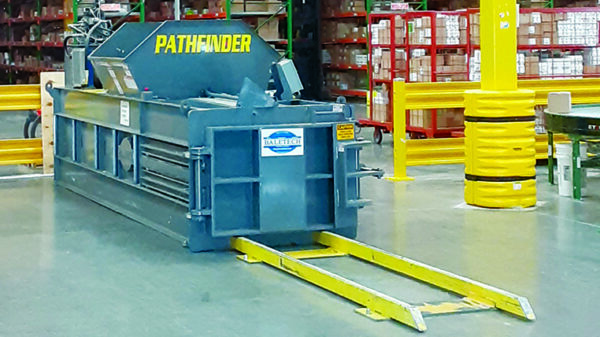
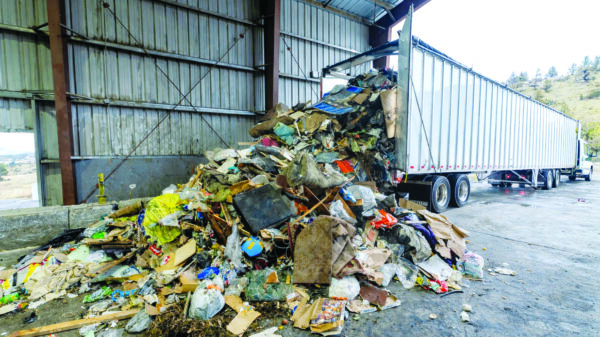
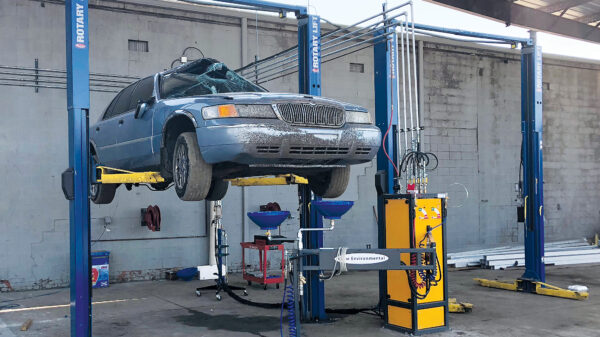



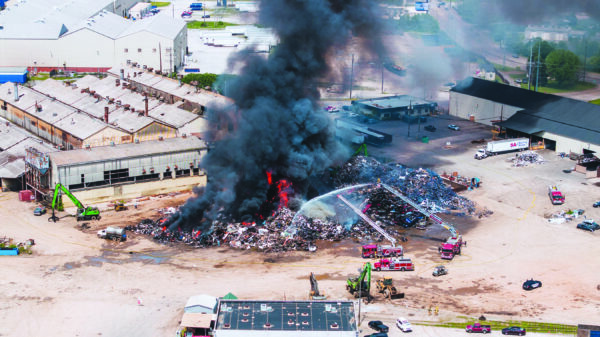


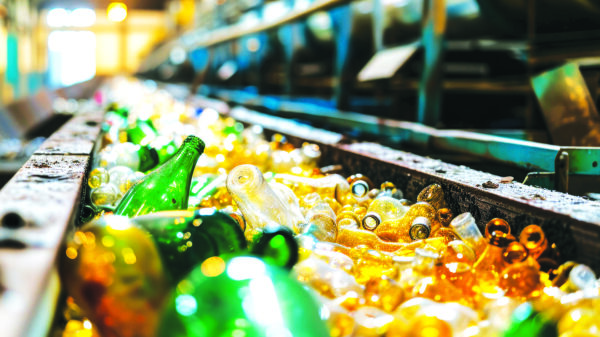




















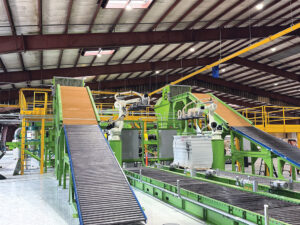
Equipment at Comstock Metals solar panel recycling facility.
Comstock Inc. and Comstock Metals LLC, a leader in the responsible, zero-landfill recycling of end-of-life solar panels with North America’s first certified operations, announced that the company’s solar panel recycling production system is now operating continuously at its Silver Springs, Nevada facility.
“Following dedicated work preparation with our production supervisors and operating staff across the four shift teams, we have now successfully graduated to continuous operations,” stated Dr. Fortunato Villamagna, president of Comstock Metals. “We are grateful for the dedicated efforts and support of our entire team, our strategic suppliers, contractors, regulators and the broader Silver Springs community for making this first-of-a-kind operation possible.”
By establishing this continuous processing model in Silver Springs, Comstock Metals solidifies its market-leading position at the forefront of responsible, zero landfill recycling of end-of-life solar panels. The facility’s transition to continuous production ensures an efficient, high volume, zero landfill solution that eliminates disposal related environmental liabilities for utility-scale solar customers and provides them with certified, audit ready chain-of-custody documentation validating that their end-of-life regulatory obligations have been fully discharged. The company will now ramp up its production platform to meet increasingly higher customer volume demands.
The plant addresses a challenge the industry is only beginning to confront. As the installed base of solar panels approach the end of their operating lives, the volume of end-of-life panels requiring responsible processing is projected to grow sharply, far outpacing the industry’s current capacity.
With Silver Springs operating continuously and additional storage capacity in place at its Hanford, California and Cambridge, Ohio facilities, Comstock believes it is one of the few, if not the only, true domestic recycler positioned to absorb the anticipated flow of end-of-life panels at the volumes utility-scale generators will require, without compromising the zero-landfill and chain-of-custody standards that customers depend on.
Published November 2026