
























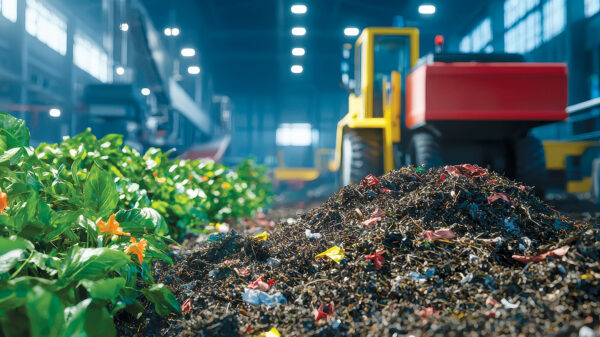



 Ocean Conservancy released results from the 2025 International Coastal Cleanup® (ICC) – the largest single day beach and waterway cleanup in the world, which mobilizes hundreds of thousands of volunteers annually to remove millions of pounds of trash – revealing that volunteers collected 1,338,712 plastic bottles and 885,854 caps. This makes them the first and third most commonly found items polluting beaches and waterways worldwide.
Not only are plastic beverage bottles and bottle caps among the most prevalent types of plastic pollution, but Ocean Conservancy-led peer reviewed research also found these items can be highly deadly to marine life. An albatross was found to have been killed by swallowing a plastic bottle whole, and hard plastics like bottle caps are one of the deadliest plastics when ingested, especially for seabirds.
In addition to leading the ICC, Ocean Conservancy has advocated for policies at the local, state and international levels to prevent plastic pollution in the first place, such as California’s SB54, better bag bans in California and Oregon, the Florida balloon release ban and the U.N. Plastics Treaty. Bottle deposit return schemes (bottle bills) and extended producer responsibility (EPR) – which make producers responsible for waste management costs of the products they create – are some of the most effective policies to reduce plastic bottle pollution. Currently, 10 states have bottle bills and four more have recently considered similar legislation. EPR policies have been passed in Maine, Oregon, Colorado, California, Minnesota, Washington and Maryland since 2021, and there are nearly a dozen more states where EPR legislation is being considered.
Since the first ICC in 1986, nearly 20 million volunteers have joined local cleanup efforts to remove over 405 million pounds of trash from beaches and waterways around the globe, all the while logging each item and building the world’s largest database on marine debris, totaling nearly 440 million items. The International Coastal Cleanup is held annually on the 3rd Saturday of September but has grown so large that thousands of cleanups happen throughout the month. Hundreds of coordinators around the world are currently preparing for this year’s event.
In addition to the direct benefit of removing trash from the environment, the ICC’s marine debris database has been used to inform scientists, conservation groups, governments and industry leaders about ocean trash to fuel plastic pollution prevention and advocacy efforts. ICC data were recently used in a peer-reviewed study that shows plastic bag bans lead to reduced plastic bag pollution. ICC data have also been instrumental in spurring policy change–from being used to promote California’s SB 54, the Florida balloon release ban, the Farewell to Foam Act and the U.N. Plastics Treaty.
Published November 2026