











 Up to $4.29 million available to help communities replace aging diesel refuse and recycling trucks with modern, zero-emission battery electric vehicles.
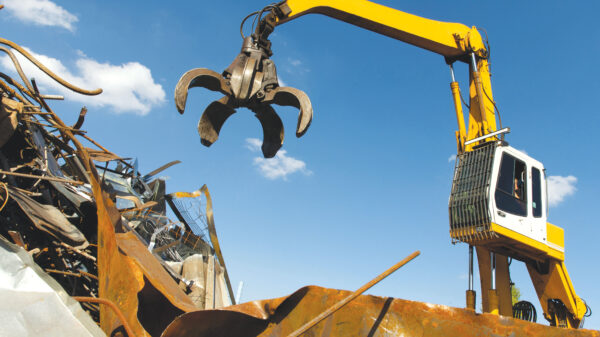
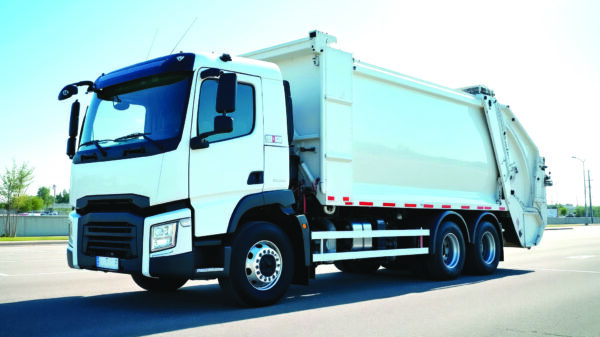
The Michigan Department of Environment, Great Lakes, and Energy (EGLE) launched the 2026 Michigan Clean Heavy-Duty Vehicle (CHDV) Program, a new grant opportunity that will provide funding to replace eligible Class 6 (19,501 to 26,000 pounds) and Class 7 (26,001 to 33,000 pounds) diesel refuse and recycling vehicles with new, zero-emission battery electric vehicles and associated charging equipment.
The program is designed to reduce diesel emissions, improve air quality, protect public health, and support the deployment of advanced heavy-duty vehicle technologies while helping fleets modernize their operations.
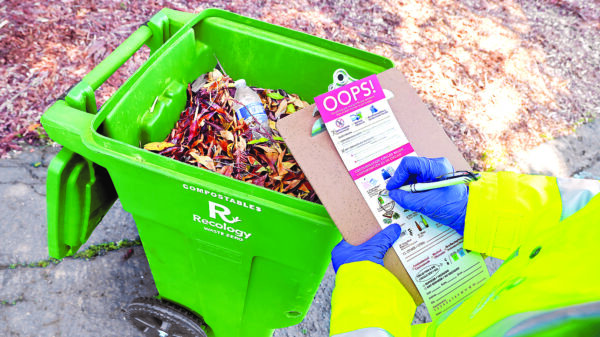
Diesel refuse and recycling trucks are among the largest contributors of localized air pollution because they operate daily in neighborhoods, often at low speeds and close to homes, schools, and businesses. Replacing these vehicles with newer all-electric models can significantly reduce harmful exhaust emissions, lower noise, and improve quality of life for Michigan residents.
The program will provide funding to replace large, heavy duty diesel trucks commonly used for trash collection, recycling, composting, and food waste recovery with zero-emission certified vehicles. The program also supports workforce development and training needed for the successful deployment and operation of the new vehicles. Both public and private entities physically located in Michigan are eligible to apply.
“This program is an important step toward cleaner air and healthier communities,” said EGLE director, Phillip D. Roos. “By reducing diesel exhaust from vehicles that operate directly in our neighborhoods, we can deliver meaningful public health benefits to communities that need it most while advancing Michigan’s clean energy future.”
Program focus and priorities
The CHDV Program prioritizes projects operating in designated ozone nonattainment or maintenance areas across the state that struggle to meet federal air quality standards, as well as in counties with a high asthma burden. Additional priority will be given to refuse truck replacements operating in Macomb, Oakland, and Wayne counties, within the Detroit Metropolitan Area, where long-standing environmental and public health challenges are most acute.
All funded projects must replace existing diesel vehicles with zero-emission alternatives and demonstrate long-term operational use at open and actively operating facilities.
Funding details
EGLE expects up to $4.29 million in funding will be made available through this competitive grant program. Individual awards are anticipated to range from $100,000 to $1 million, with funding capped at $260,000 per vehicle. Eligible costs include vehicle purchase, charging infrastructure, and workforce development and training.
Grant recipients must provide a minimum 50 percent cost match of total project costs for new battery electric refuse vehicles. All grant awards will be issued on a reimbursement basis, requiring grantees to pay project costs upfront and submit proper documentation for reimbursement.
All funds must be expended by December 31, 2028. Projects should demonstrate readiness to complete vehicle replacement and charging infrastructure installation within the grant period.
Application timeline and requirements
Applications will be accepted and reviewed on a rolling, competitive basis until all funding is exhausted. Project start dates will be tied to the effective date of the grant agreement, and the deadline for submitting payment requests is December 15, 2028.
Applicants are encouraged to begin preparing their application as early as possible by verifying project eligibility, securing vehicle and infrastructure quotes, assembling project teams, and developing site layouts, schedules, and budgets.
In a related move, EGLE launched the Michigan Electric Fleet Network in September to bring together fleets operating electric vehicles with fleets considering the technology. Members will meet regularly to compare notes and provide input on state programs, policies, and infrastructure planning that affect fleet electrification.
Supporting Michigan’s climate goals
The 2026 Michigan CHDV Program supports the MI Healthy Climate Plan and Michigan’s broader decarbonization goals by reducing diesel emissions, lowering greenhouse gas output, and accelerating the transition to clean transportation technologies.
Program materials, including the CHDV Request for Proposals, Online Application Form, Eligibility Statement, and FAQs, are available on the CHDV Program webpage.
Published November 2026