






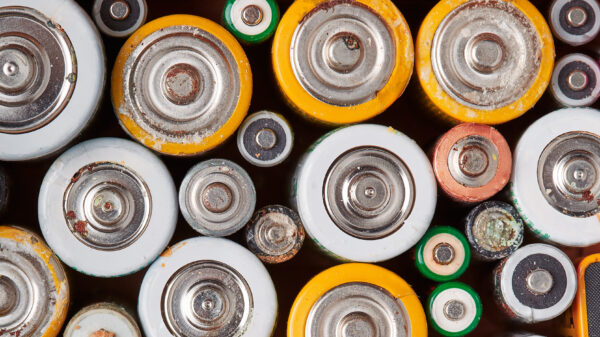

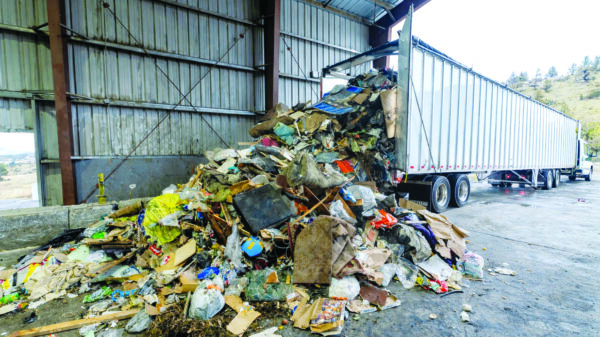










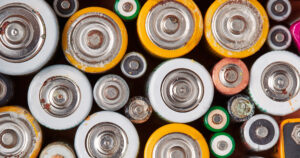
 Effective December 1, 2026, North Carolina residents and businesses will be legally prohibited from disposing of lithium-ion and rechargeable batteries in household trash, curbside recycling bins, state landfills or permitted incinerators.
Enacted under North Carolina Session Law 2023-137 (G.S. 130A-309.10), the ban aims to protect sanitation workers, waste facilities and communities from severe fires caused by damaged batteries.
What is covered under the law
- Banned Items – Loose lithium-ion batteries, rechargeable battery packs, and everyday electronics with built-in or non-removable lithium-ion batteries (including smartphones, laptops, power tools, electric toothbrushes, e-cigarettes/vapes and wireless earbuds).
- Exemptions – Standard single-use alkaline batteries (such as traditional AA, AAA, C and D cells) are exempt from this ban. (Note: Lead-acid vehicle batteries have already been banned from North Carolina landfills since 1991.)
- Penalties – Violating the disposal ban carries potential fines ranging from $100 to $500.
Safe disposal steps for households
To help local recyclers and comply with the law, households should follow three simple steps when retiring old batteries or rechargeable devices:
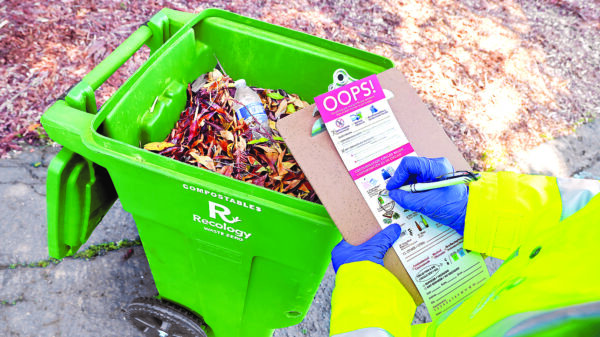
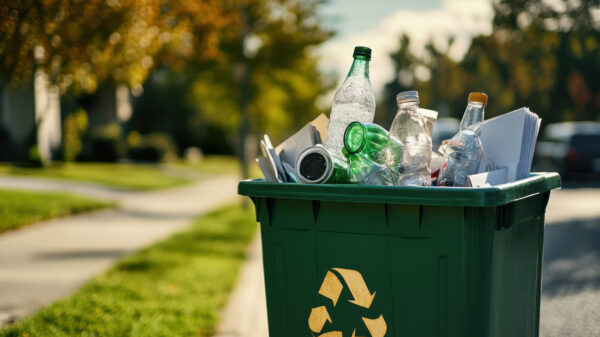
- Keep Them Out of the Bins: Never place lithium-ion batteries or rechargeable electronics into standard residential garbage cans or curbside recycling carts.
- Tape the Terminals: Before storing or transporting loose lithium-ion batteries, cover the positive and negative metal terminals with clear, non-conductive tape (such as packing, electrical, or duct tape) to prevent short-circuiting and sparks.
- Use Approved Drop-Off Sites: Take used batteries and battery-embedded devices to a local Household Hazardous Waste (HHW) facility, participating county public library, or designated retail recycling drop-off box.
Resources for residents and recyclers
Residents can locate their nearest certified battery drop-off center by visiting the NC DEQ Recycling Search Tool or using The Battery Network Locator.
Local recycling coordinators and municipal facilities seeking signage, educational materials or guidance on battery collection compliance can find additional resources through the North Carolina Department of Environmental Quality (NC DEQ).
Published November 2026