





 Veolia marked the official closure of its roughly $3 billion acquisition of Clean Earth with a ribbon cutting celebration at its newly rebranded hazardous waste facility on Allens Avenue in South Providence, signaling a major expansion of treatment capacity in Rhode Island and nationwide.
The acquisition significantly strengthens Veolia’s U.S. footprint, doubling its hazardous waste revenues and bringing its total U.S. business to approximately $6.3 billion. With the addition of Clean Earth’s network, Veolia now operates more than 150 hazardous waste locations nationwide, including 33 EPA permitted treatment facilities and six high-temperature incineration units.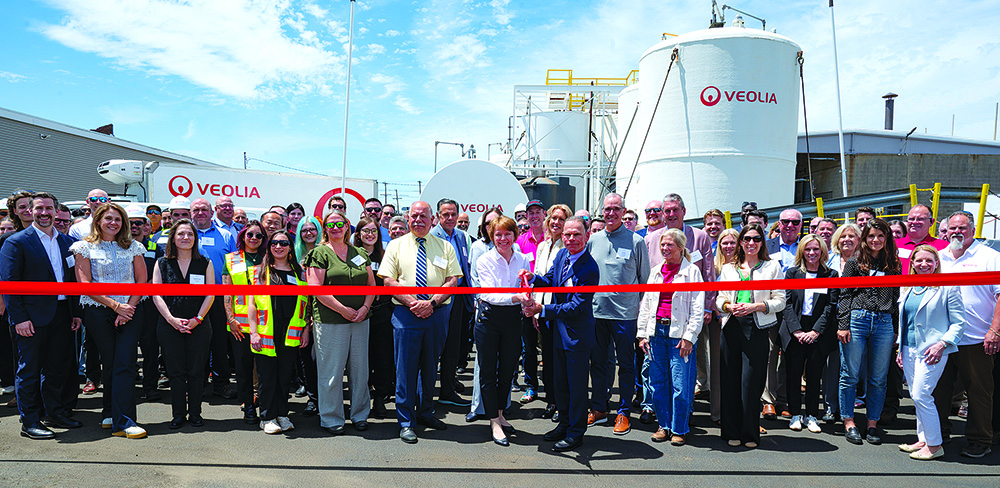
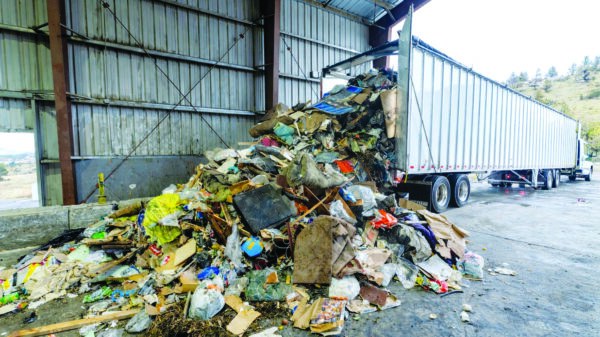
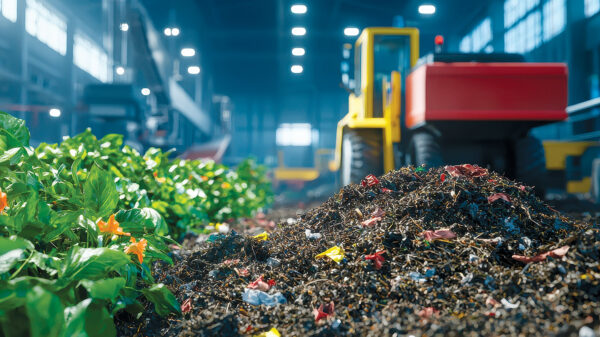
In Providence, the roughly two acre Allens Avenue site, now bearing Veolia’s signature branding, handles a wide range of materials, from industrial acids and solvents to household hazardous waste, and serves as a critical hub along the region’s working waterfront.
The deal adds approximately 2,600 employees nationwide and expands Veolia’s reach into key sectors including healthcare, advanced manufacturing, retail and clean energy, industries increasingly reliant on specialized treatment solutions amid tighter environmental regulations.
“This is a tremendously significant transaction at a time when the U.S. and the world are facing unprecedented environmental security challenges that are testing the limits of our resilience and competitiveness. It strengthens our position in the growing U.S. hazardous waste market, unlocks strong value creation potential and further targets our offerings to the most dynamic sectors of the American economy. Combined with the acceleration of our asset rotation program, it reinforces Veolia’s capacity to address the growing demand for environmental security,” said Estelle Brachlianoff, chief executive officer of Veolia.
Hazardous waste management has become a strategic priority in the U.S., where limited treatment capacity can restrict economic growth and pose risks to public health and the environment. This expanded platform will help address those challenges while delivering roughly $120 million in synergies over the next four years.
Published July 2026